Recovered Paper Quality Trends for Deinking Mills | Pulprift
A practical mill-floor guide to recovered paper quality trends affecting deinking performance, brightness, stickies, drainage, yield, and enzyme trial planning.
Request pricing A practical mill-floor guide to recovered paper quality trends affecting deinking performance, brightness, stickies, drainage, yield, and enzyme trial planning.
Request pricingRecovered fiber is changing faster than many deinking systems were designed to handle. Furnish baskets are more mixed, printing chemistry is less predictable, packaging fiber is entering graphic-paper streams, and water loops are running tighter. The result is familiar on the floor: variable brightness response, more stickies events, slower drainage, higher reject load, and chemical programs that need frequent correction.
For a paper recycling mill, the enzyme trial should not start with the enzyme. It should start with the recovered paper trend line. The more clearly a mill defines what has changed in the furnish, the easier it is to select the right enzymatic treatment window, protect yield, and judge the trial against meaningful operating data.
Pulprift works as an enzyme supplier for paper deinking mills that need practical, process-aligned support for recovered paper variability. Below are the quality trends worth checking before the trial plan is locked.
Many mills are seeing less clean, consistent recovered paper and more blended streams. Office grades, sorted graphic papers, coated papers, cartons, labels, and packaging fiber can arrive in the same operating week. Even when the bale label looks familiar, the fiber behavior may not.
An enzyme program for deinking should be matched to the fiber and contaminant profile, not treated as a generic additive. Pulprift typically looks at whether the mill needs stronger ink detachment support, drainage improvement, stickies control, or a balanced approach that protects yield while improving flotation response.
Recovered paper no longer carries a simple ink story. Toner, UV-cured inks, flexographic residues, mineral coatings, binders, adhesives, and barrier materials can all influence deinking performance. Some contaminants detach cleanly. Others fragment, smear, or ride with fines through the system.
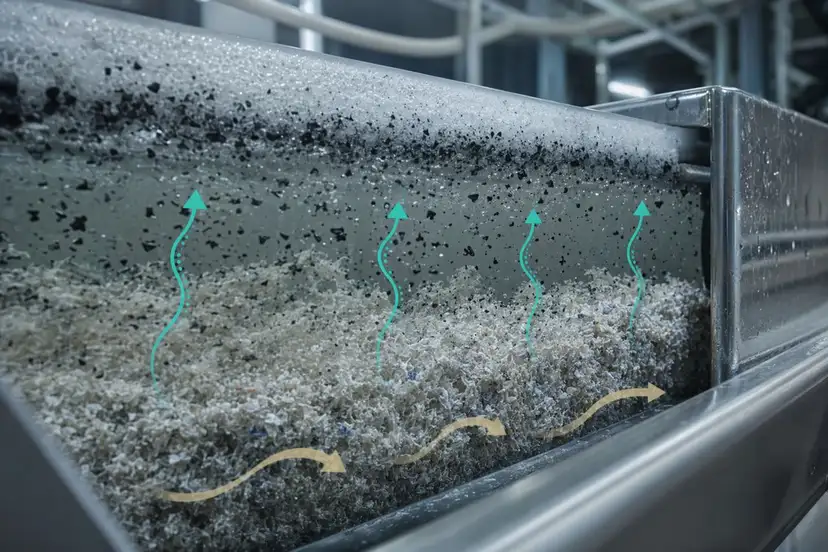
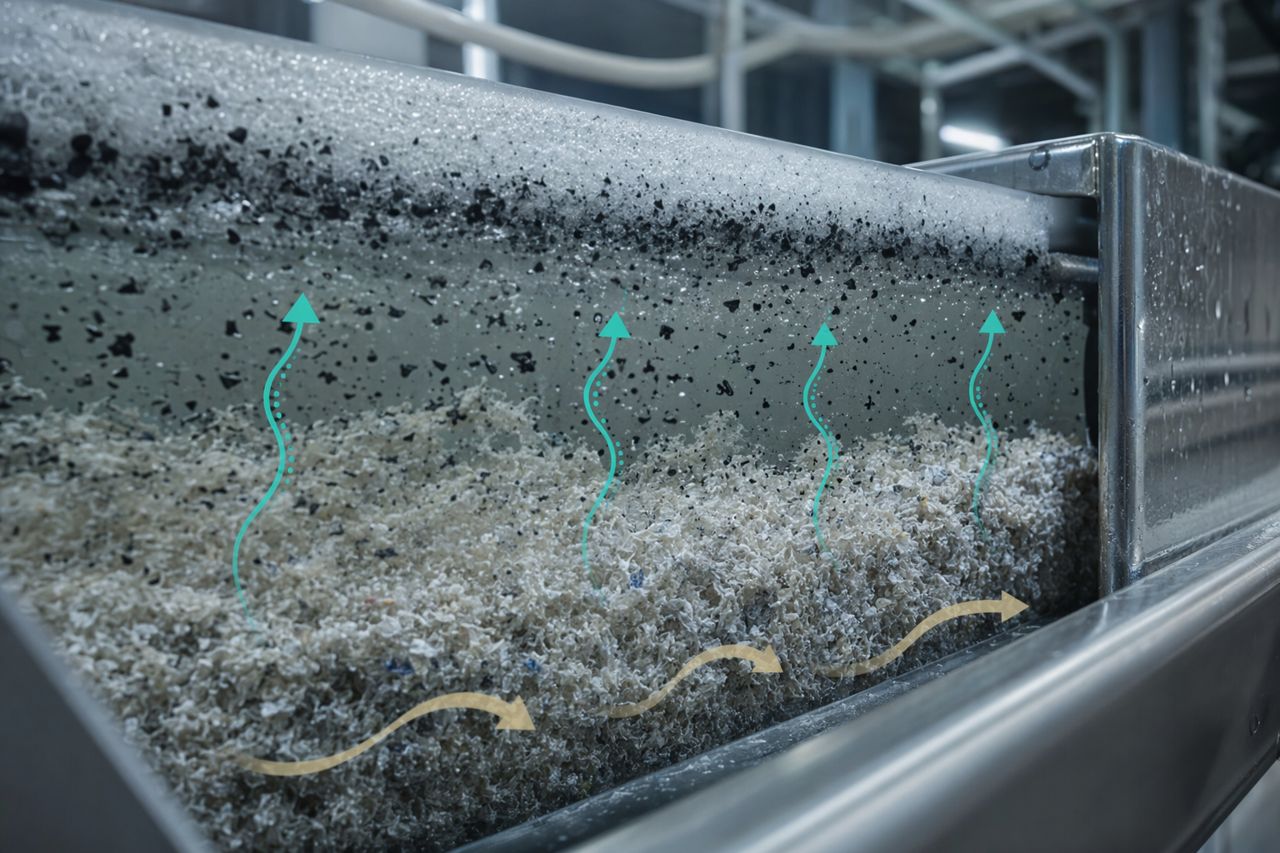
The trial should separate ink-release limitations from removal limitations. If ink is not detaching, the application point may need to sit earlier in the process. If ink detaches but is not removed, the flotation chemistry, air, foam stability, and contaminant particle size need attention before blaming the enzyme.
Adhesives from labels, tapes, packaging closures, pressure-sensitive materials, and coated paper components are a persistent issue in recycling mills. The trend is not only more stickies. It is more variable stickies behavior.
Large contaminants can often be screened. Smaller tacky particles move deeper into the system, deposit on wires and felts, interfere with drainage, and create breaks or sheet defects. Enzyme programs can support stickies control by modifying fiber-contaminant interactions and reducing the conditions that let deposits build.
Before introducing a treatment, document:
A good enzyme trial does not rely on a single lab number. It looks at whether the machine runs cleaner and whether the mill spends less time fighting deposits.
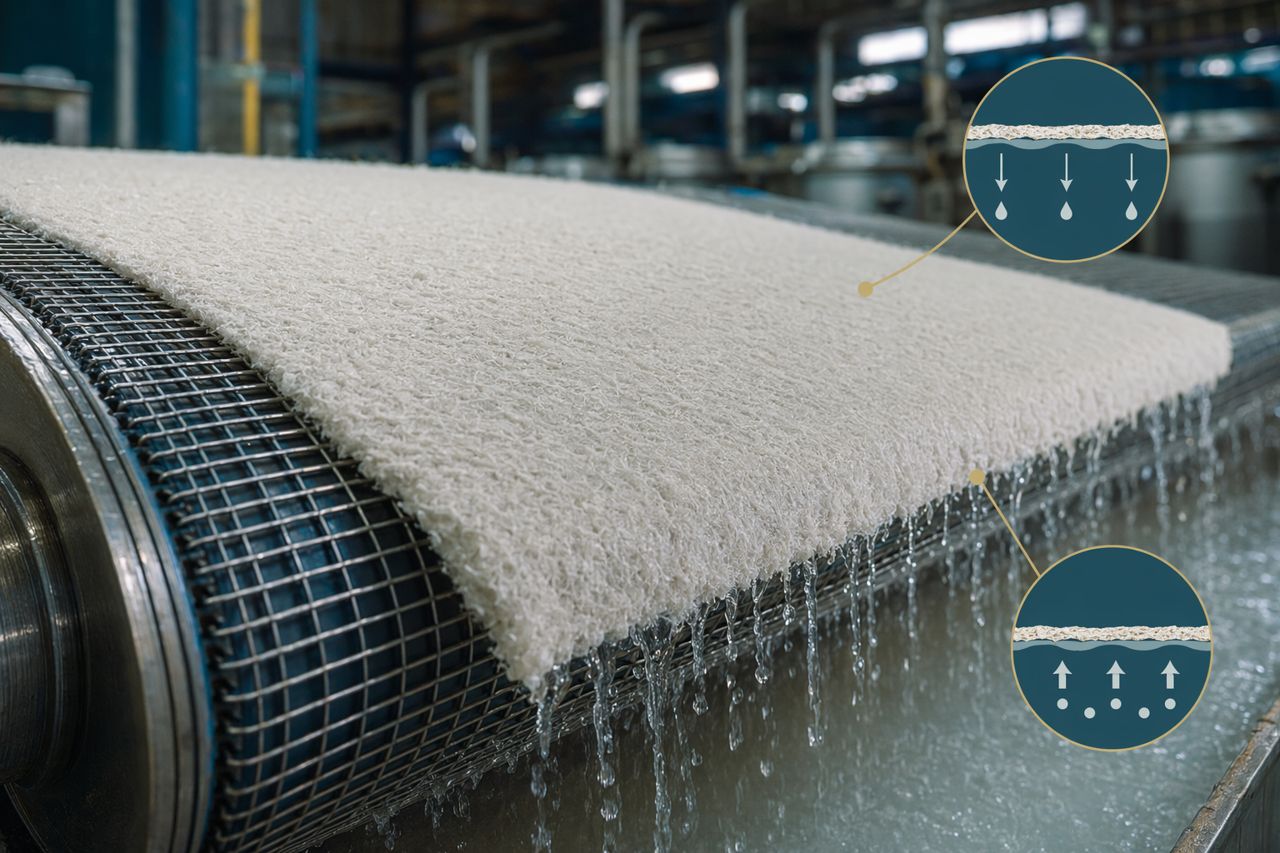
Higher fines and filler content can help opacity but hurt drainage, thickening, and water handling. In many mills, the cost is felt through slower dewatering, higher steam demand, more polymer dependency, and limited machine speed flexibility.
Enzymatic treatment can be used to improve fiber surface behavior and drainage response, but the target should be clear. Is the mill trying to increase throughput, stabilize consistency, reduce retention aid pressure, or improve sheet formation without sacrificing yield?
Track the same operating points before, during, and after the trial:
Drainage improvement is only valuable if it supports the grade target. Pulprift trial planning keeps yield and sheet quality in the same conversation as water removal.
Closed water circuits reduce fresh water use, but they also concentrate dissolved and colloidal material. This can make the deinking process less forgiving. Surfactants, dispersants, starch residues, dissolved organics, fines, fillers, and tacky particles can build into a background load that shifts daily.
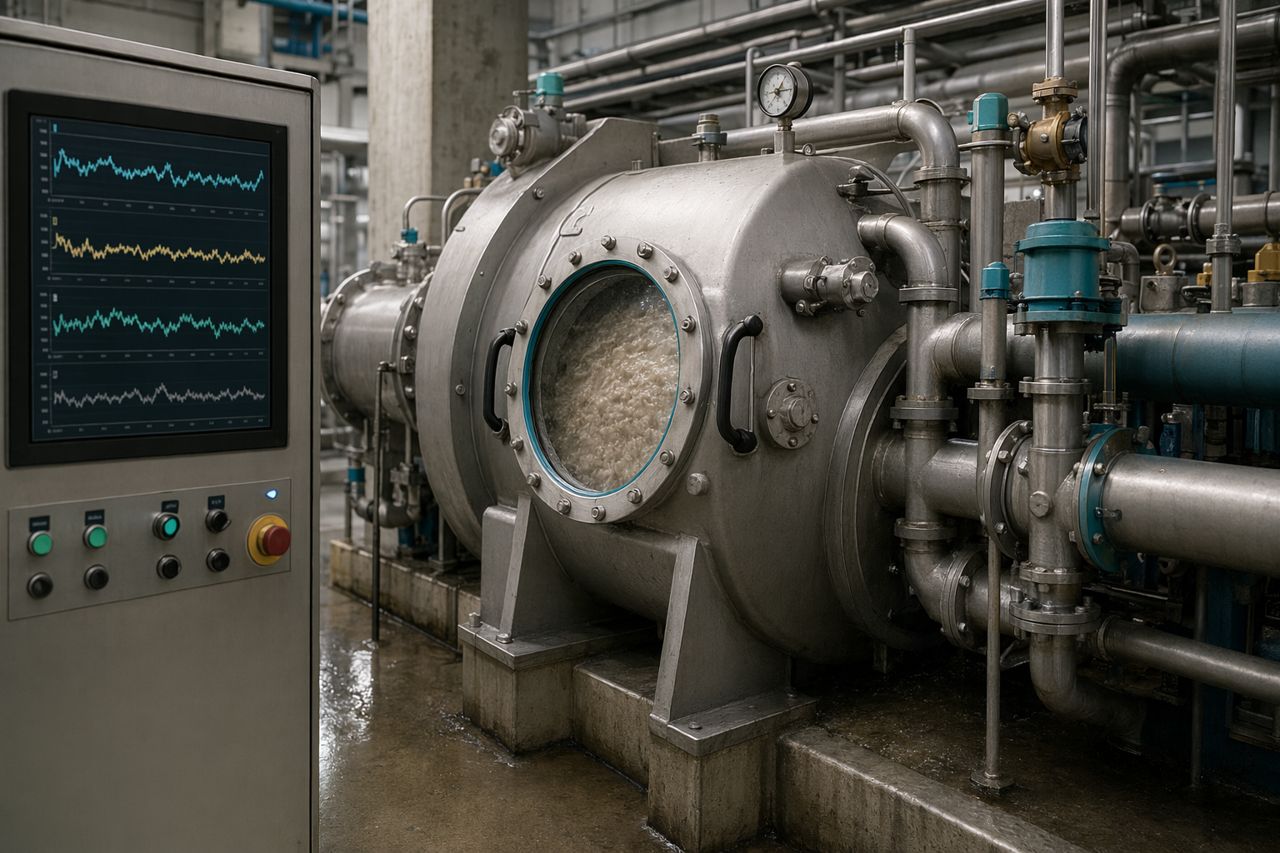
Do not evaluate the enzyme only at the pulper. Evaluate the loop. The same treatment can look different depending on water chemistry, carryover, and where the enzyme is introduced. Pulprift reviews application points such as pulper addition, dump chest treatment, pre-flotation contact, or a targeted stock preparation window based on the mill layout.
Pulping managers are being asked to hold brightness and cleanliness while recovered paper quality becomes less predictable. That pressure often leads to more caustic, peroxide, silicate, surfactant, dispersant, or reductive chemistry. Chemical increases may work for a period, but they can also raise cost, load the water circuit, and create side effects downstream.
An enzyme program should be evaluated for its ability to support chemical reduction, not simply add another cost line. The practical question is: can the mill reach the same or better deinking outcome with a more stable and less aggressive chemical profile?
The right enzyme in the wrong window can underperform. The application point should be selected around contact opportunity, stock consistency, pH environment, temperature profile, mixing, retention time, and the process objective.
The best location is the one that connects enzyme action to a measurable process result without disrupting production rhythm.
A clean trial plan keeps everyone aligned: production, quality, wet end chemistry, maintenance, and purchasing. It also prevents a common failure mode where the enzyme is judged on a noisy week with no stable baseline.
Before the trial starts, confirm:
Pulprift supports mills with product selection, dosage strategy, application-point review, trial structure, and performance interpretation. The objective is not a show trial. The objective is a usable operating decision: continue, adjust, expand, or stop based on data the mill already trusts.
Recovered paper quality will keep moving. The mills that respond best are the ones that connect furnish reality to process control. Before the next trial, look closely at these five questions:
If those answers are clear, the enzyme program can be designed with a sharper target.
Pulprift supplies enzyme solutions for recovered paper and deinking operations, with trial planning built around real process conditions: furnish variability, application window, chemical profile, drainage limits, stickies pressure, and quality targets.
Request a quote to share your mill conditions and receive a practical recommendation for your deinking line.
Tell us your application and volume — we reply with pricing and lead time.