Water Loop Closure in Deinking Mills | Pulprift
How higher process-water reuse changes deinking chemistry, stickies behavior, drainage, brightness, and enzyme program design in recycled-paper mills.
Request pricing How higher process-water reuse changes deinking chemistry, stickies behavior, drainage, brightness, and enzyme program design in recycled-paper mills.
Request pricingPaper recycling mills are closing water loops for the right reasons: lower fresh-water demand, reduced effluent load, better heat retention, and tighter environmental control. But as reuse rises, the deinking system stops behaving like a clean-water process.
Dissolved and colloidal material builds. Conductivity climbs. Surfactant carryover changes foam quality. Calcium, fines, starch, adhesives, ink fragments, and anionic trash begin to compete for chemistry. The result is familiar on the mill floor: flotation gets less predictable, stickies show up downstream, drainage slows, brightness gains become harder to hold, and operators compensate with more chemistry than they planned.
Pulprift works as an enzyme supplier for paper deinking mills that need stable performance under real process-water conditions, not just ideal lab water. The aim is not to add another variable. The aim is to make fiber release, contaminant control, and drainage more manageable as the loop tightens.
When a deinking line reuses more filtrate, the furnish carries history from previous passes through the system. That history affects every chemistry decision.
Closed loops concentrate soluble starch, hemicellulose fragments, degraded coatings, residual detergents, dispersants, and sizing chemistry. These materials consume cationic demand, interfere with retention programs, and can reduce the effective response of flotation and washing aids.
For operators, the signal is often indirect:
Adhesives and pressure-sensitive labels do not disappear in a closed loop. They redistribute. Shear, temperature, surfactant residues, and dispersants can move tacky material between macro-stickies, micro-stickies, and dissolved or colloidal fractions.
A program that only breaks material apart can make the problem look better at the screen and worse at the paper machine. The operational goal is controlled release and removal, not uncontrolled dispersion.
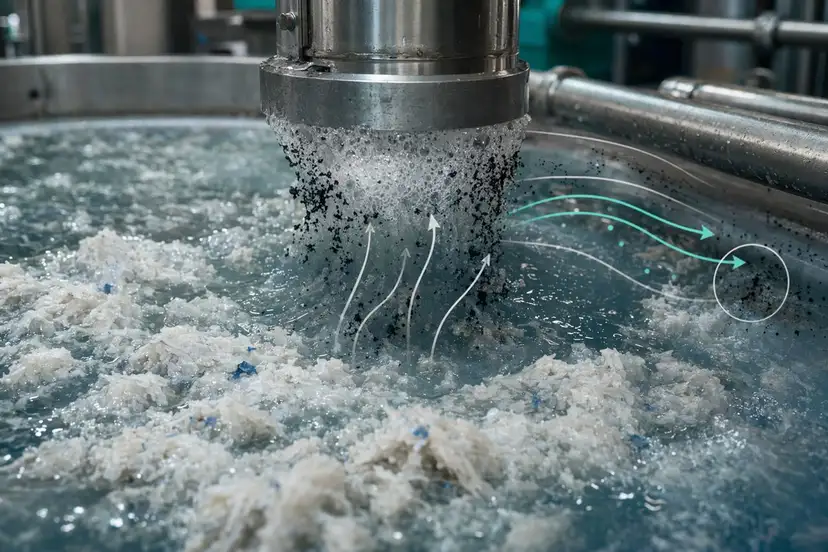
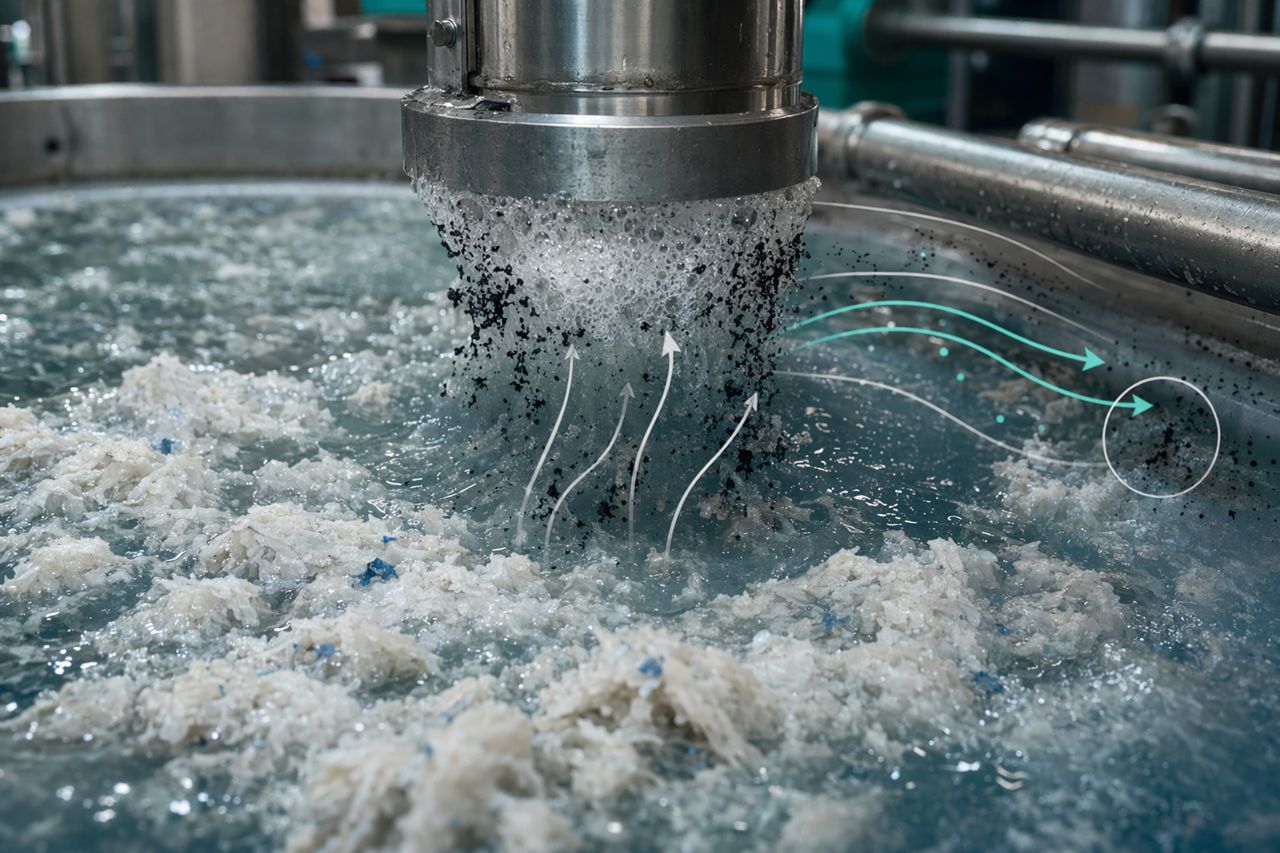
Flotation relies on ink detachment, air attachment, foam stability, and contaminant rejection. Reused water changes surface chemistry. Residual surfactants may over-stabilize foam or create weak foam that collapses before carrying ink out. Elevated hardness and conductivity can change agglomeration behavior.
This is why two shifts can run the same recipe and see different ink removal. The water loop is part of the recipe.
Closed loops often increase fines circulation. Fines are valuable when retained properly, but they also slow drainage and carry ash, ink specks, and soluble load. If chemistry pushes too much fine material out with reject streams, yield suffers. If it keeps everything in the stock, cleanliness and drainage suffer.
The best deinking programs protect usable fiber while helping the system reject what should not move forward.
Enzymes are not a replacement for deinking chemistry. They are a process tool that can make existing mechanical and chemical steps work with less friction.
In a recycled-fiber line, targeted enzyme programs can support:
The practical value is measured in operating outcomes: brightness gain, cleaner filtrate behavior, stable drainage, fewer deposit-related stops, and reduced chemical overcorrection.
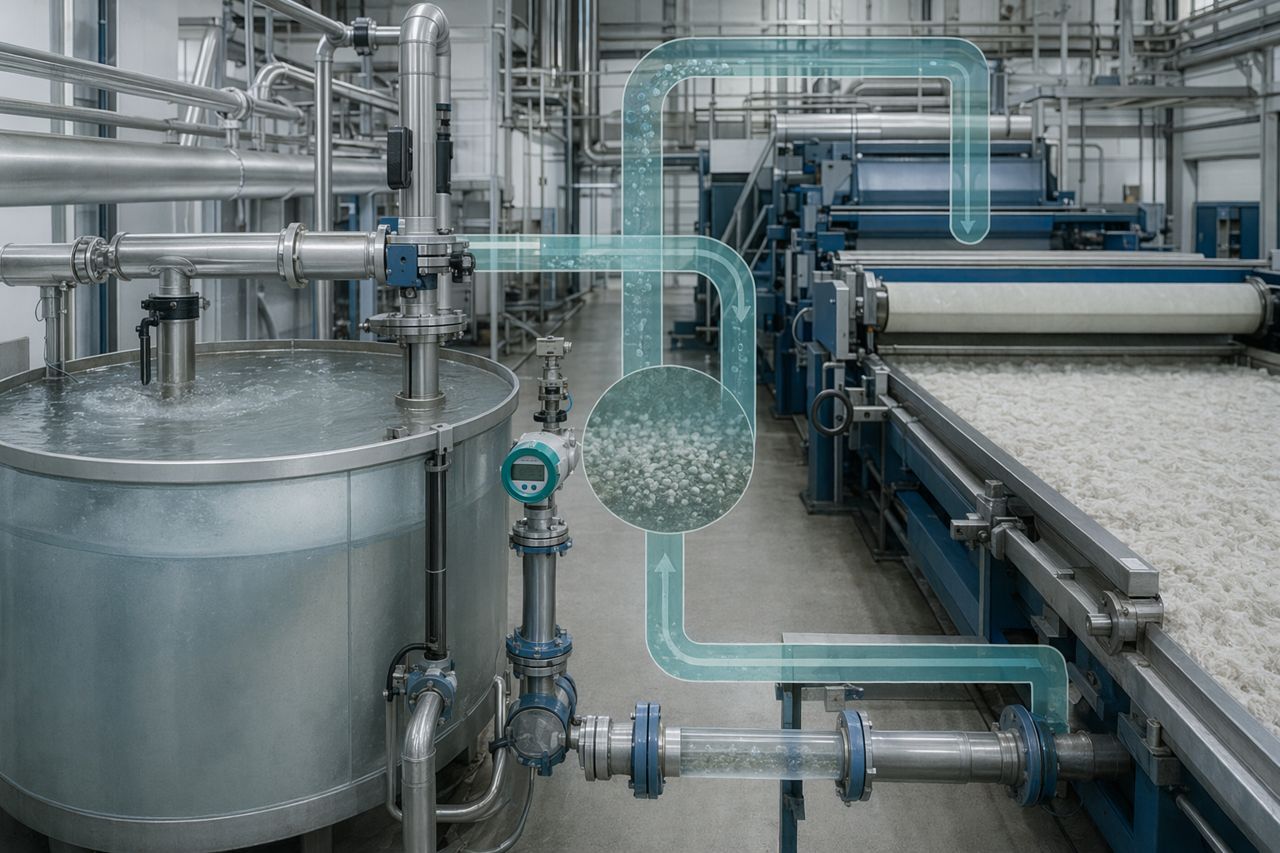
In closed-loop systems, enzyme performance depends on placement and process fit. Pulprift typically evaluates several mill-specific windows before recommending a program.
This location gives enzymes early contact with recovered fiber, inks, coatings, and adhesive contamination. It can help prepare the furnish for downstream separation, especially when the mill is dealing with mixed office waste, printed grades, or label contamination.
Key operating considerations include residence time, furnish consistency, temperature stability, pH range, and how much shear follows the dose point.
A controlled conditioning stage before flotation can improve ink release and contaminant presentation. This is useful when flotation losses are high or when brightness gain varies with process-water quality.
The main question is whether the enzyme step helps the cell remove contaminants rather than simply redistribute them.
For mills fighting drainage loss, slime-supporting nutrients, or recurring deposit behavior, the right program may need to address the circulating load rather than only the incoming furnish. This requires careful coordination with retention, fixation, biocide, and pitch-control chemistry.
A water-closure issue rarely shows as one clean problem. Look for clusters:
If these symptoms appear after fresh-water reduction, filtrate reuse changes, save-all adjustments, or grade mix changes, the water loop should be treated as a process variable.
Pulprift approaches closed-loop deinking by mapping the operating system first. The work starts with questions that matter to the mill:
From there, the program can be aligned to the mill's process window rather than forced into a generic recipe.
Before adding or changing an enzyme program, pulping and process managers should ask for answers in mill-floor terms:
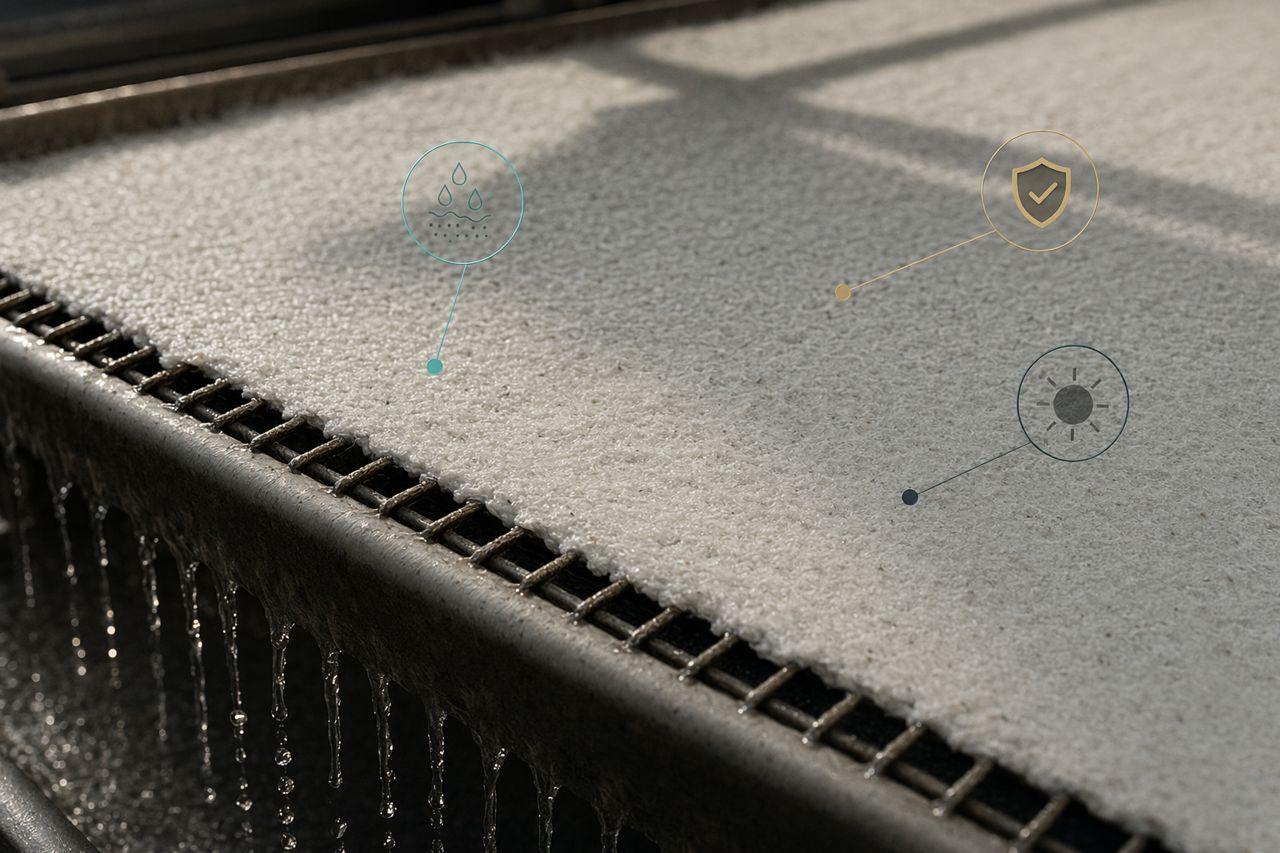
A well-designed enzyme program for deinking under higher loop closure should help the mill pursue:
The strongest programs are not sold as miracle additives. They are engineered into the stock-preparation system with clear operating boundaries and measurable production goals.
If your mill is increasing process-water reuse or already seeing the side effects of a tighter loop, Pulprift can help review furnish, chemistry placement, and enzyme-fit options for your deinking process.
Use the on-site form to request a quote and include your furnish mix, target grade, current deinking stages, main constraint, and any recent water-loop changes.
Tell us your application and volume — we reply with pricing and lead time.