Xylanase and Laccase for Recycled Pulp Mills | Pulprift
Pulprift supplies xylanase and laccase enzyme options for recycled pulp mills seeking better deinking response, drainage, brightness, stickies control, and chemical reduction.
Request pricing Pulprift supplies xylanase and laccase enzyme options for recycled pulp mills seeking better deinking response, drainage, brightness, stickies control, and chemical reduction.
Request pricingRecovered fiber is never a clean, fixed input. Furnish mix, print type, coating load, loop water, ash, dissolved organics, stickies, and broke quality all move through the system together. That is why non-cellulase enzyme selection has to be tied to the mill’s actual deinking line, not chosen from a generic catalog.
Pulprift supplies xylanase and laccase options for paper recycling mills that need practical control over deinking response, brightness development, drainage, deposits, and chemical demand. If you are looking for an enzyme supplier for paper deinking mills, we help narrow the enzyme path around your furnish, chemistry, equipment limits, and commercial targets.
Request a quote through the on-site form
Xylanase and laccase are used for different reasons in recycled pulp processing. Neither should be treated as a one-size-fits-all deinking answer.
Xylanase acts on hemicellulose-rich regions associated with fiber surfaces. In recycled pulp applications, the operating goal is usually to make existing washing, flotation, and bleaching chemistry work more efficiently without attacking cellulose strength.
Potential mill outcomes include:
Xylanase is often evaluated when the mill has a clear brightness ceiling, slow drainage, high chemical demand, or a need to improve process efficiency without changing the core deinking system.
Laccase targets oxidizable phenolic structures and selected colored contaminants. In recycled pulp mills, laccase is typically considered where color reversion, residual chromophores, certain extractives, or chemical load are part of the operating issue.
Potential mill outcomes include:
Laccase performance depends strongly on furnish chemistry, dissolved oxygen availability, mediator strategy where applicable, retention time, and downstream treatment sequence.
Pulprift helps mills evaluate enzyme placement around actual process constraints. Common evaluation points include:
The correct location depends on the enzyme objective. A xylanase program aimed at fiber surface modification may need a different contact window than a laccase program aimed at oxidizable color bodies or extractives. We look at where the enzyme can work without disrupting pulper energy, flotation chemistry, surfactant balance, pH control, or downstream retention aids.
A quote should match the mill problem. Before recommending xylanase, laccase, or a combined trial, Pulprift reviews the process conditions that determine whether the enzyme can create measurable value.
We look at:
We review:
We align enzyme selection with:
This keeps the trial grounded in mill-floor reality. An enzyme that performs well outside the line does not matter if it cannot survive the actual process window.
Pulprift trials are built around outcomes that pulping managers, quality teams, and plant managers can measure against production goals.
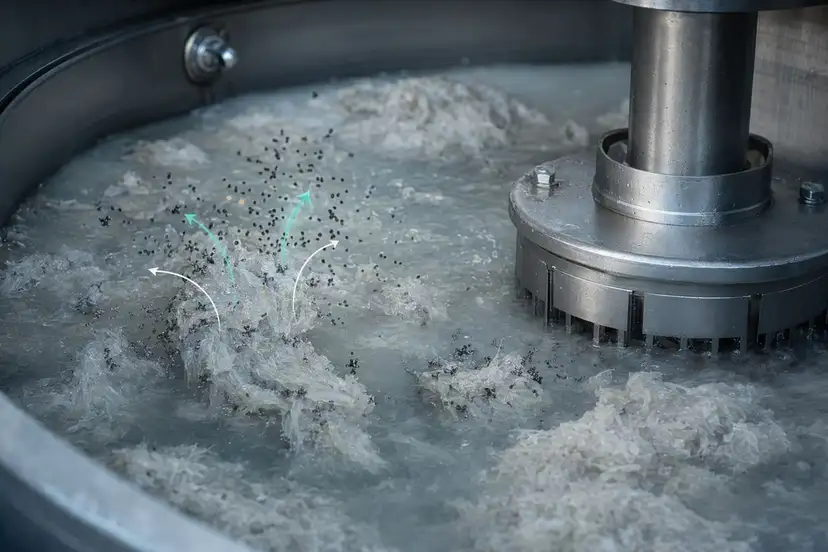
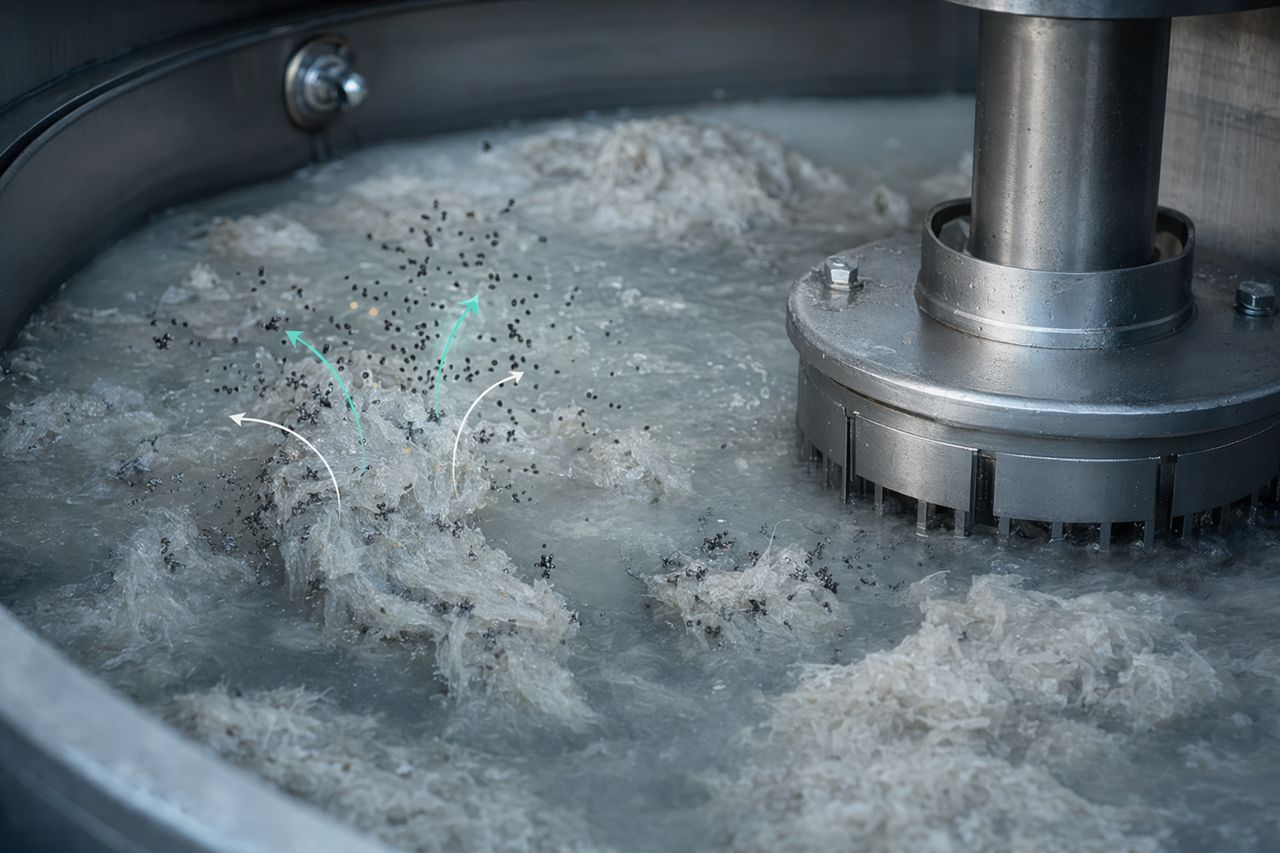
We focus on whether the enzyme supports ink release, flotation removal, wash efficiency, or visible speck reduction under the mill’s existing equipment limits.
The target may be higher brightness at the same chemical charge, or equivalent brightness with reduced bleaching pressure. The commercial value depends on grade requirements and chemical cost structure.
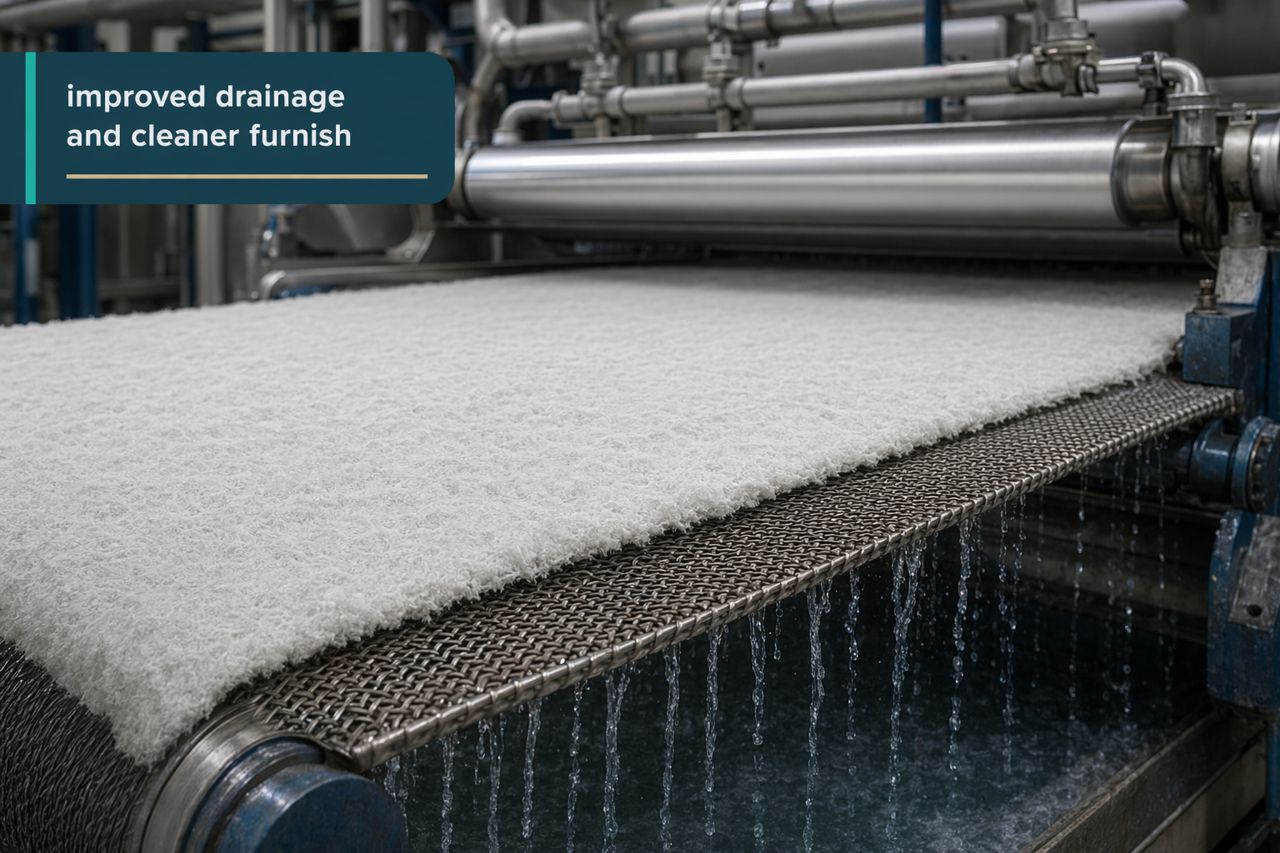
Where drainage is constrained by fines behavior, dissolved organics, or fiber surface conditions, xylanase evaluation can be tied to dewatering rate, press loading, washer capacity, or machine speed opportunity.
Laccase options may be considered where oxidizable contaminants or extractives contribute to deposit formation. We frame this around downtime, cleaning frequency, screen performance, and defect risk.
Pulprift’s non-cellulase focus is designed for mills that want process help without creating unnecessary cellulose damage. Yield, strength, freeness, fines profile, and sheet performance should stay visible throughout the trial.
Combined does not always mean blended. In many mills, the better answer is staged treatment with each enzyme placed where it has the right process window.
Pulprift supplies enzyme options for mills producing recycled pulp for tissue, printing and writing grades, packaging, molded fiber, and specialty recovered-fiber applications. We support teams that need a defined enzyme recommendation, a practical trial plan, and quote terms that fit plant purchasing.
Typical buyer priorities include:
We do not recommend enzyme changes in isolation. The value comes from matching enzyme selection to process placement, furnish behavior, and the mill’s financial target.
If your mill is comparing xylanase, laccase, or a non-cellulase enzyme program for recycled pulp, send Pulprift your operating conditions through the on-site request form.
Helpful details include:
Request a quote through the on-site form
Pulprift will respond with a fit recommendation and commercial quote for the enzyme option most relevant to your mill conditions.
Tell us your application and volume — we reply with pricing and lead time.